Revalorizing Indigenous Pastoralists’ Traditional Knowledge and Practices: Promoting Sustainable Grazing and Household Energy Resilience in the West Region of Cameroon
Donor: PAWANKA Fund
Year of Grant Award: 2023
Duration: 12 months (August 2023 – August 2024)
Target Communities: Mbapit and Koundeng, West Region, Cameroon
This project aimed to strengthen Indigenous-led climate change adaptation by revitalizing traditional pastoral knowledge and practices among Mbororo pastoralist communities in the West Region of Cameroon. Faced with increasing climate variability, prolonged dry seasons, water scarcity, pasture degradation, and pressure on forest resources, these communities—particularly women—are disproportionately affected by environmental and socio-economic vulnerabilities.
The initiative was community-conceived and community-driven, implemented through Free, Prior and Informed Consent (FPIC), in line with the UN Declaration on the Rights of Indigenous Peoples (UNDRIP). Indigenous women, men, youth, and traditional leaders participated actively in the design, implementation, monitoring, and evaluation of the project, ensuring full ownership and self-determined development.
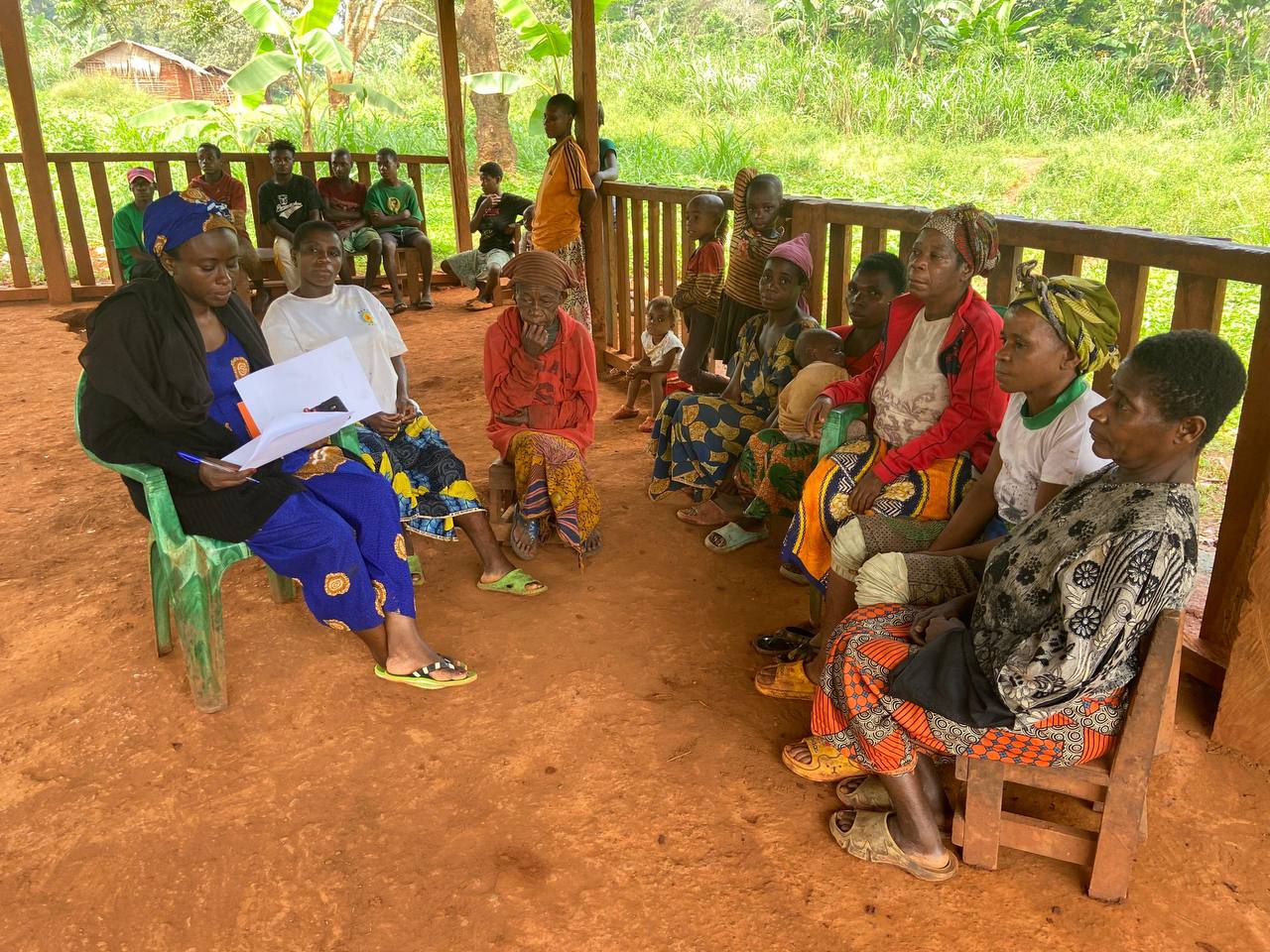
A participatory baseline study documented Indigenous grazing systems, energy practices, and governance structures. While it confirmed the sustainability of traditional knowledge in managing land and natural resources, it also highlighted gender disparities in decision-making, reinforcing the need for women-centered interventions.
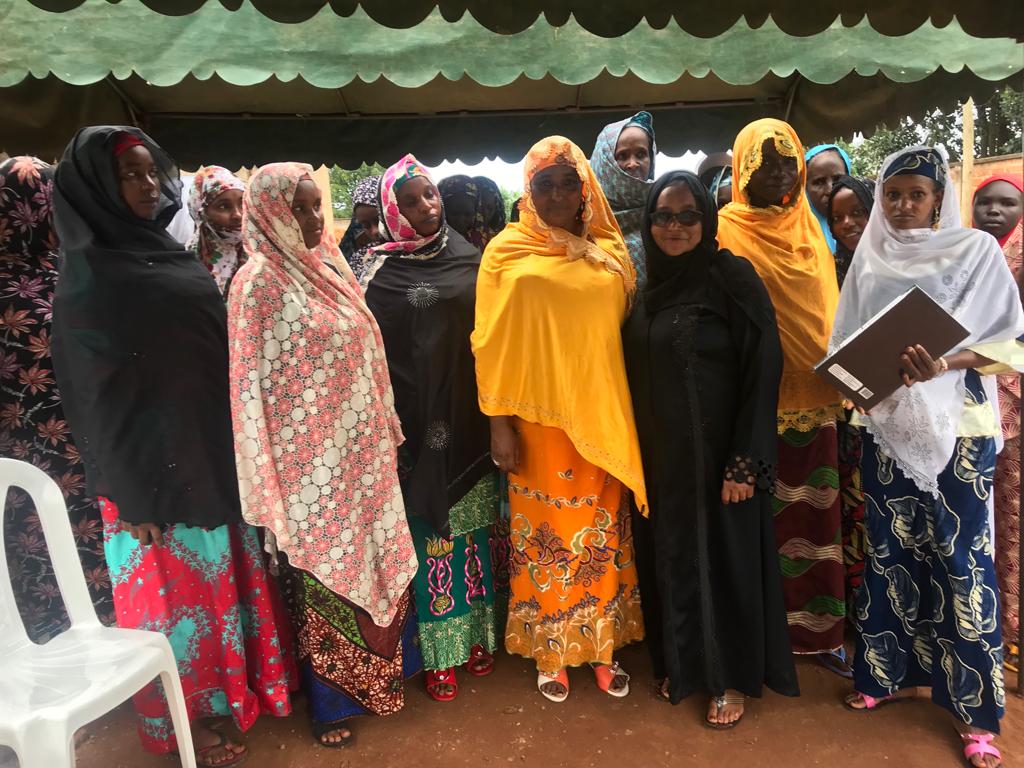
The project was officially launched on 28 November 2023 in Bafoussam, with 155 participants, including administrative authorities, local councils, Indigenous leaders, and community members—64% of whom were women. This marked strong institutional recognition of Indigenous knowledge as a credible solution to climate challenges.
Key results include:
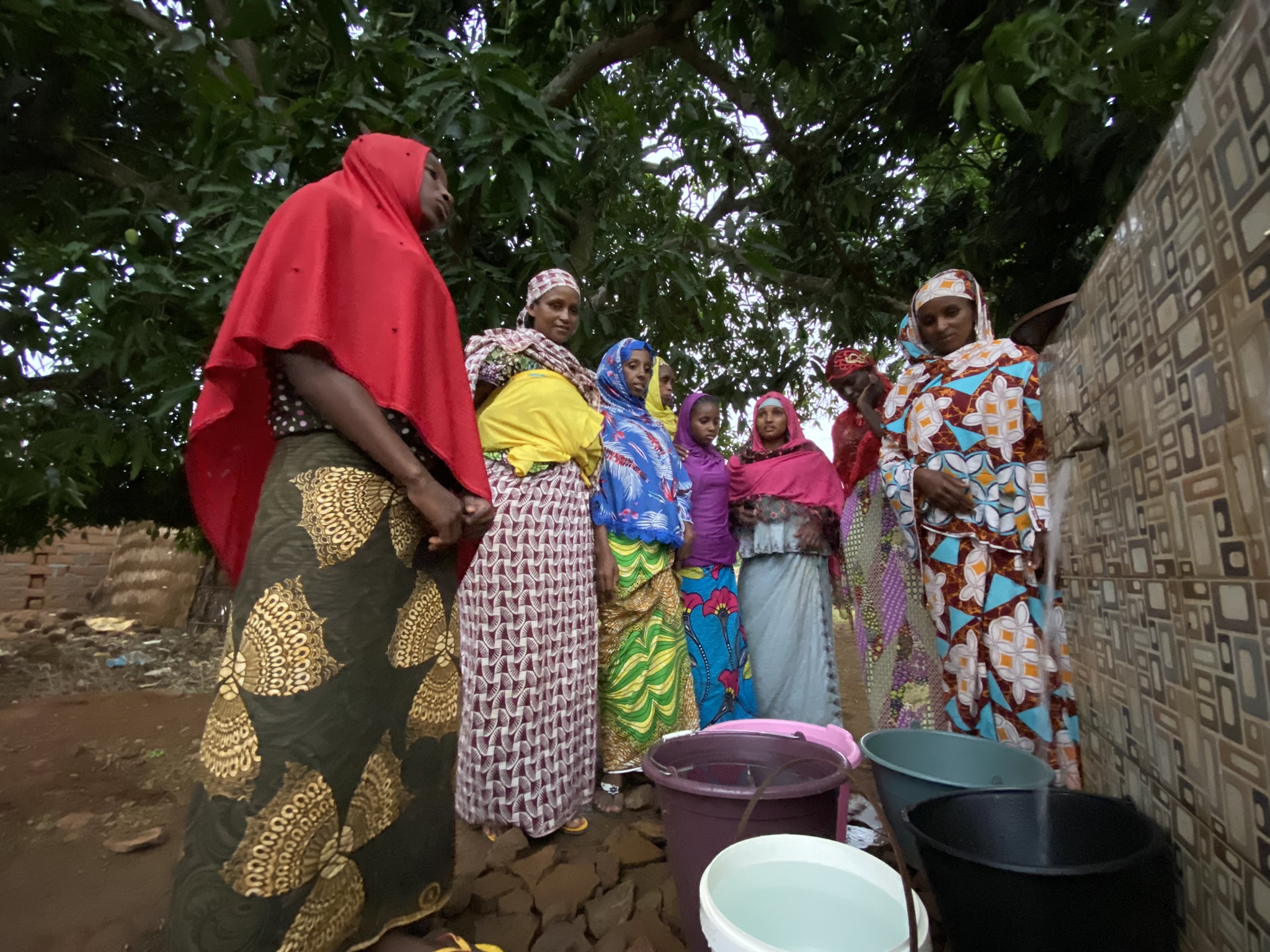
- Clean water access: Two boreholes were constructed, providing safe drinking water for households and livestock, significantly reducing women’s workload and improving community health.
- Energy resilience: 117 Indigenous women were trained to produce 122 improved clay stoves and 95 fireless cooking bags, reducing fuelwood use by approximately 70%, lowering indoor air pollution, and freeing time for social and economic activities.
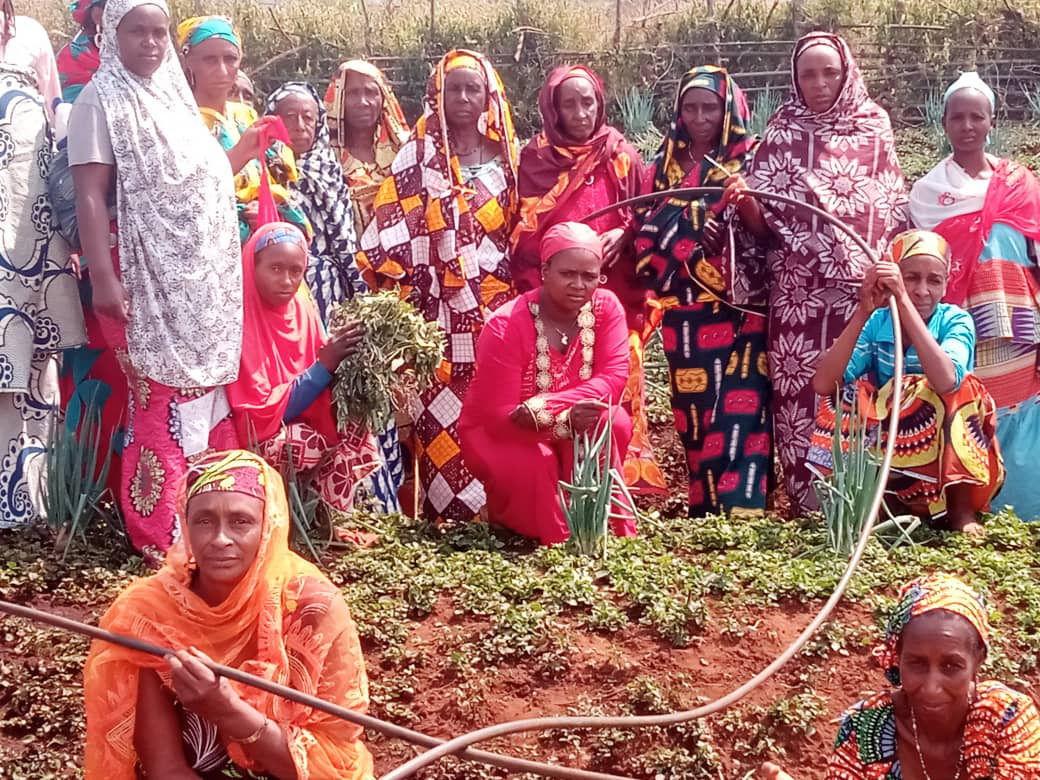
- Sustainable grazing: Two Brachiaria demonstration farms were established and fenced with indigenous tree species, training over 100 men and women in pasture regeneration, soil protection, and intergenerational knowledge transmission.
Women played a central leadership role, forming and leading follow-up and evaluation committees and exceeding participation expectations across all project components. The initiative also fostered local partnerships and peace-building, bringing together Indigenous pastoralists, neighboring communities, and Indigenous organizations.
By integrating traditional knowledge, gender equality, environmental protection, and Indigenous rights, this project demonstrates that community-led solutions are essential for sustainable climate resilience, the protection of Mother Earth, and the long-term well-being of Indigenous peoples.