Economic Empowerment of Indigenous Women and Girls and Institutional Strengthening of AIWO-CAN as a Strategy to Prevent Gender-Based Violence in Cameroon
Donor: Global Fund for Women (GFW)
Period of Implementation: 2020–2022 (3-year programme)
Implementing Organization: African Indigenous Women Organisation – Central African Network (AIWO-CAN)
Target Areas: Yaoundé (Centre Region), Mandjou (East Region), Didango (Adamawa Region), and Memel II (South Region), Cameroon
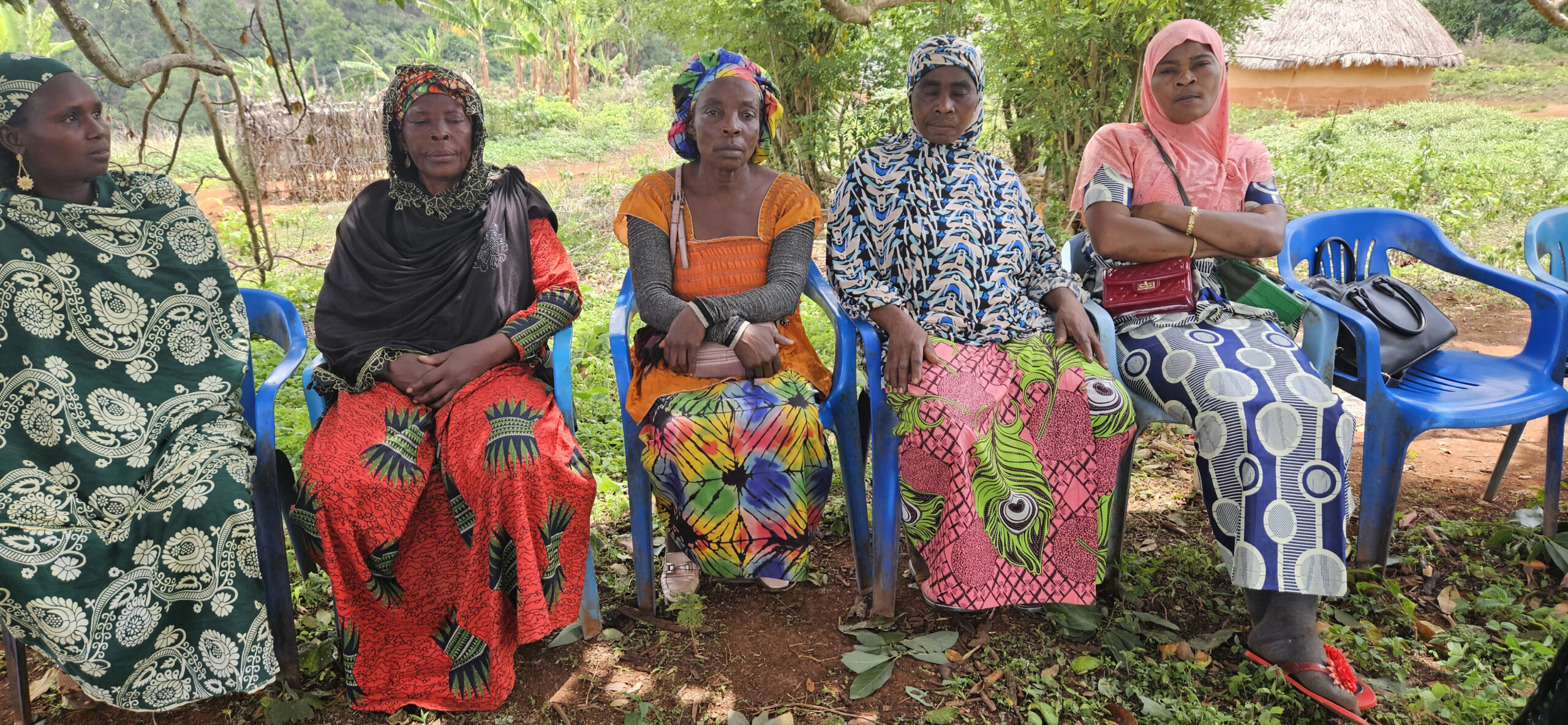
Primary Beneficiaries: Indigenous women and girls (Mbororo and Bagyeli), with indirect benefits to men, children, and communities
This three-year programme aimed to prevent gender-based violence (GBV) in Indigenous communities by fostering economic empowerment, strengthening institutional capacity, improving climate resilience, and enhancing access to vocational skills and livelihoods. The programme prioritized the needs of women and girls in marginalized communities, addressing structural inequalities and promoting sustainable, community-led solutions.
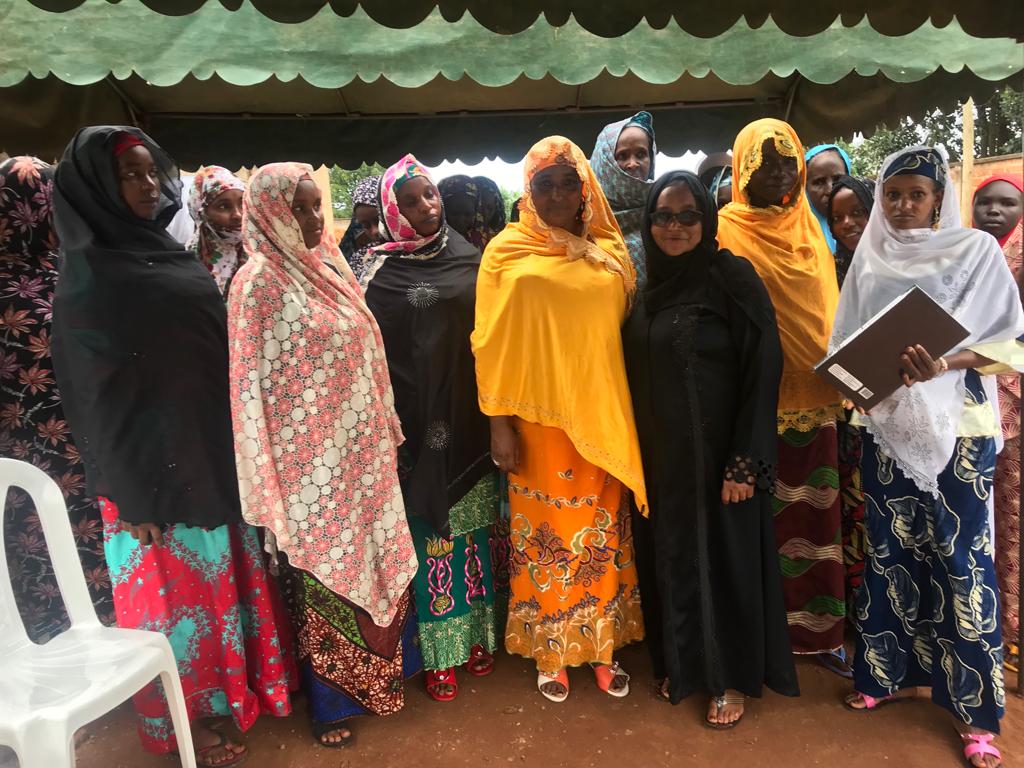
In Yaoundé, AIWO-CAN conducted entrepreneurship and business management trainings for 30 Indigenous women and girls. Participants learned essential skills such as market analysis, bookkeeping, business planning, and financial management. Following the training, start-up materials were distributed according to individual business plans, including refrigerators, sewing equipment, soap production inputs, and basic foodstuffs. As a result, all participants established small businesses, ranging from tailoring workshops to home-based trade, improving their household income and gaining financial autonomy.
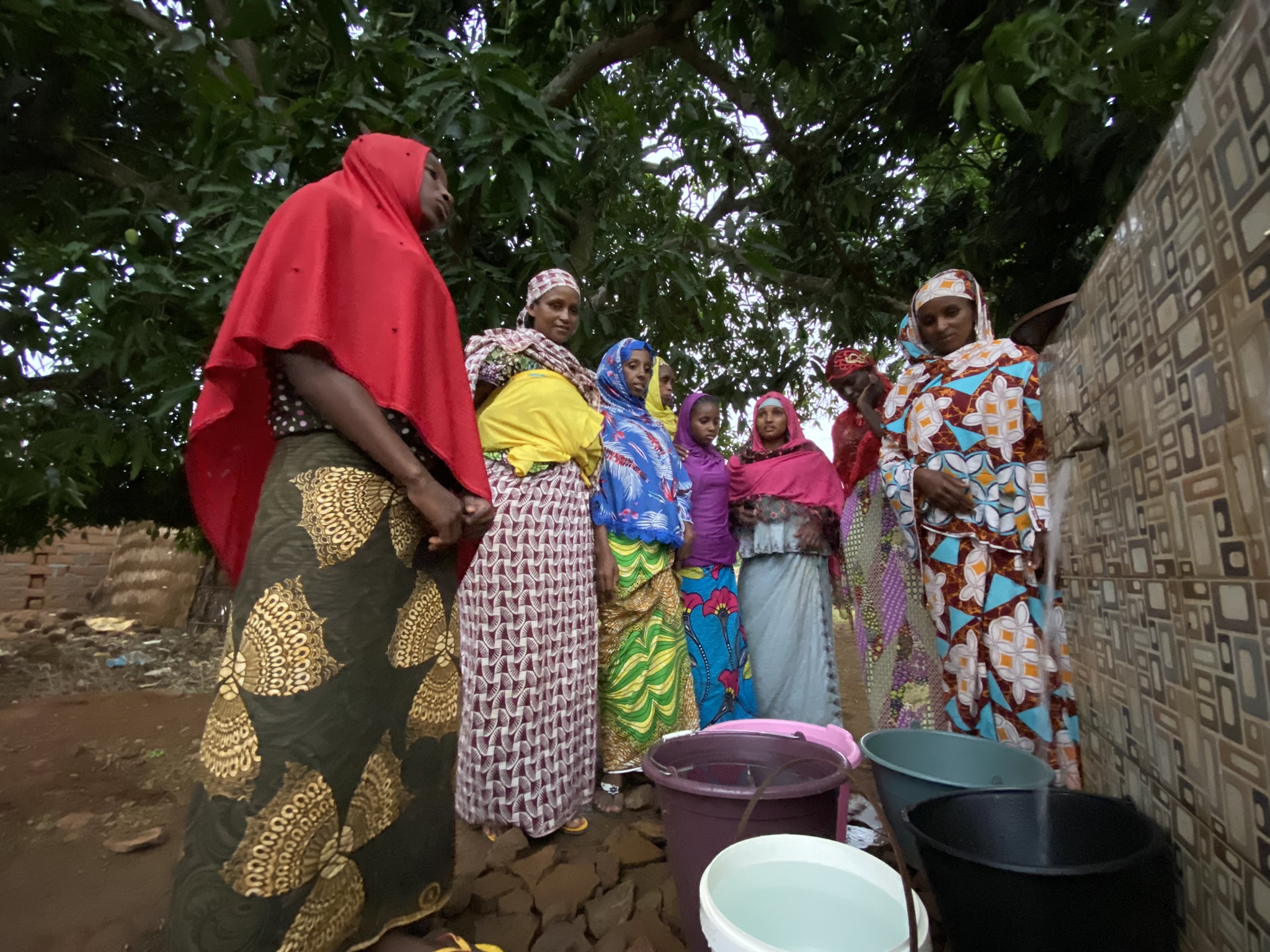
In parallel, AIWO-CAN strengthened community knowledge on climate change adaptation and energy efficiency. Over 150 women and girls in Yaoundé and Mandjou were trained on the causes and effects of climate change and the production and use of ameliorated clay stoves and fireless cooking bags. These energy-efficient techniques led to a 70% reduction in wood consumption, faster cooking times, reduced smoke inhalation, and a significant decrease in environmental pressure on local forests.
The programme also supported vocational skills development through the establishment of two functional tailoring workshops in Mandjou and Didango. The workshops, equipped with 20 sewing machines, enrolled the first cohorts of women and girls, providing them with professional skills to further enhance their income-generating potential and independence.
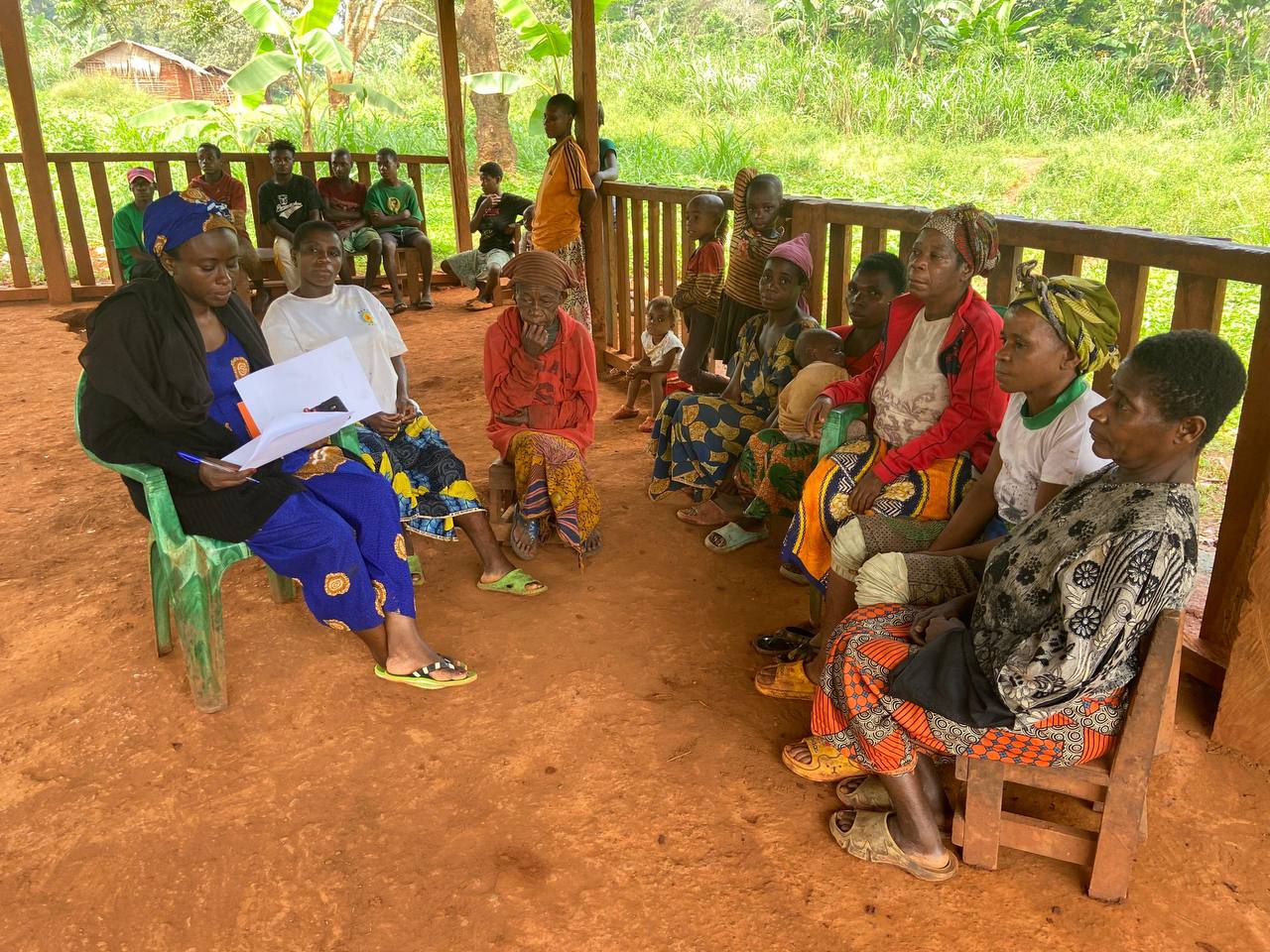
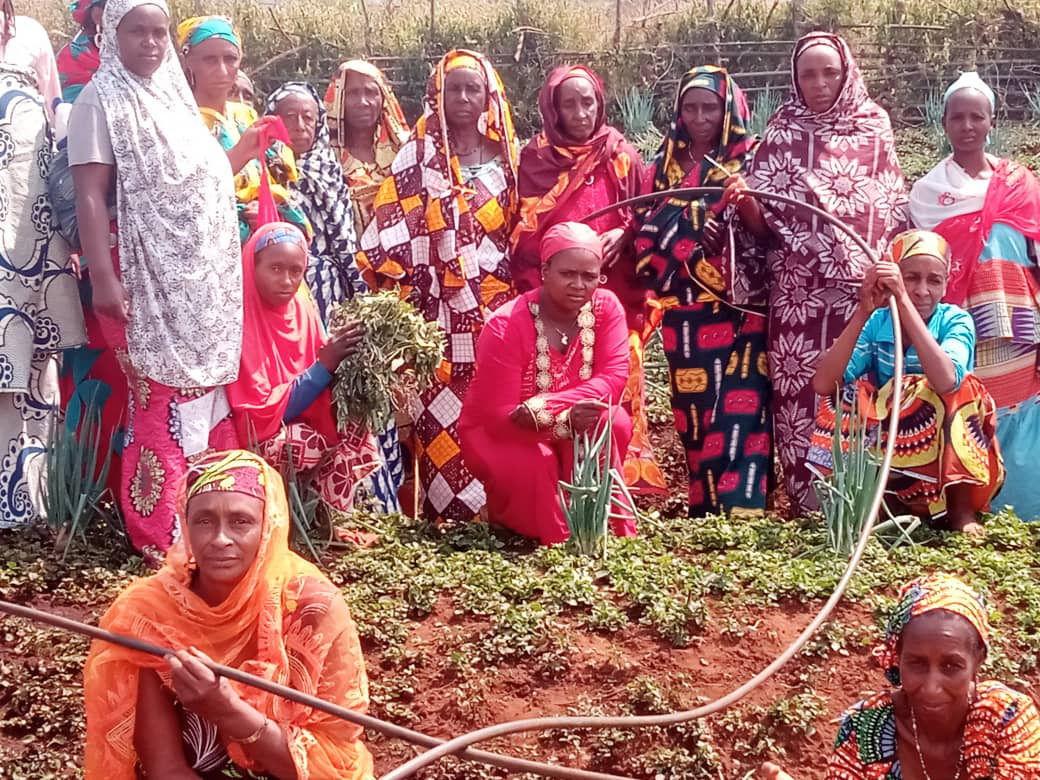
In Memel II, South Region, AIWO-CAN strengthened livelihoods through agroforestry initiatives. Improved seeds, tools, and basic food supplies were distributed to 50 women, improving agricultural productivity, household food security, and resilience against economic shocks.
Institutionally, AIWO-CAN reinforced its operational capacity, maintained office continuity during the COVID-19 pandemic, and successfully developed and validated its 2021–2026 strategic plan. This strengthened the organization’s ability to coordinate multi-site interventions, monitor results, and ensure long-term impact.
Over the course of the programme, 230 Indigenous women and girls were directly empowered, while approximately 800 community members benefited indirectly. The project strengthened women’s leadership, decision-making, and economic autonomy, promoted environmentally sustainable practices, and enhanced AIWO-CAN’s capacity to implement gender-responsive programmes across Cameroon.