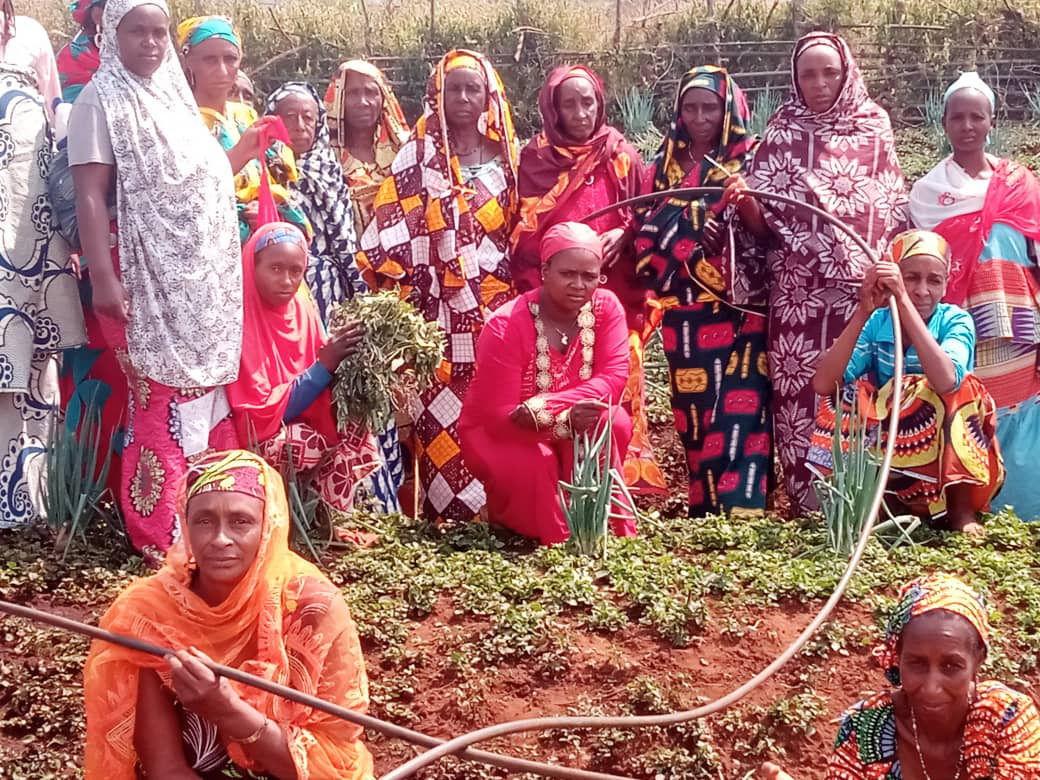
Integrated Forest Landscape Management in the Cameroon Basin of the Congo
Activity: 2.1.2.1 – Design, Produce, and Disseminate Communication Materials to Raise Awareness Among Indigenous Peoples and Local Communities (PACLs) on their Rights, the Value of Protected Areas, and Environmental and Social Laws and Regulations
Implementing Partner: African Indigenous Women Organisation – Central African Network (AIWO-CAN)
Donor: Global Environment Facility (GEF) – CBSL Impact Program
Implementation Period: February – June 2023; April – August 2024
From 2023 to 2024, the African Indigenous Women Organization – Central African Network (AIWO-CAN) implemented a series of targeted awareness and engagement activities under the Global Environment Facility (GEF) 7 Congo Basin Impact Program in Cameroon. The initiative aimed to strengthen integrated forest landscape management, promoting the sustainable use of natural resources while safeguarding the rights and livelihoods of Indigenous Peoples and Local Communities (PACLs) surrounding Campo Ma’an National Park.
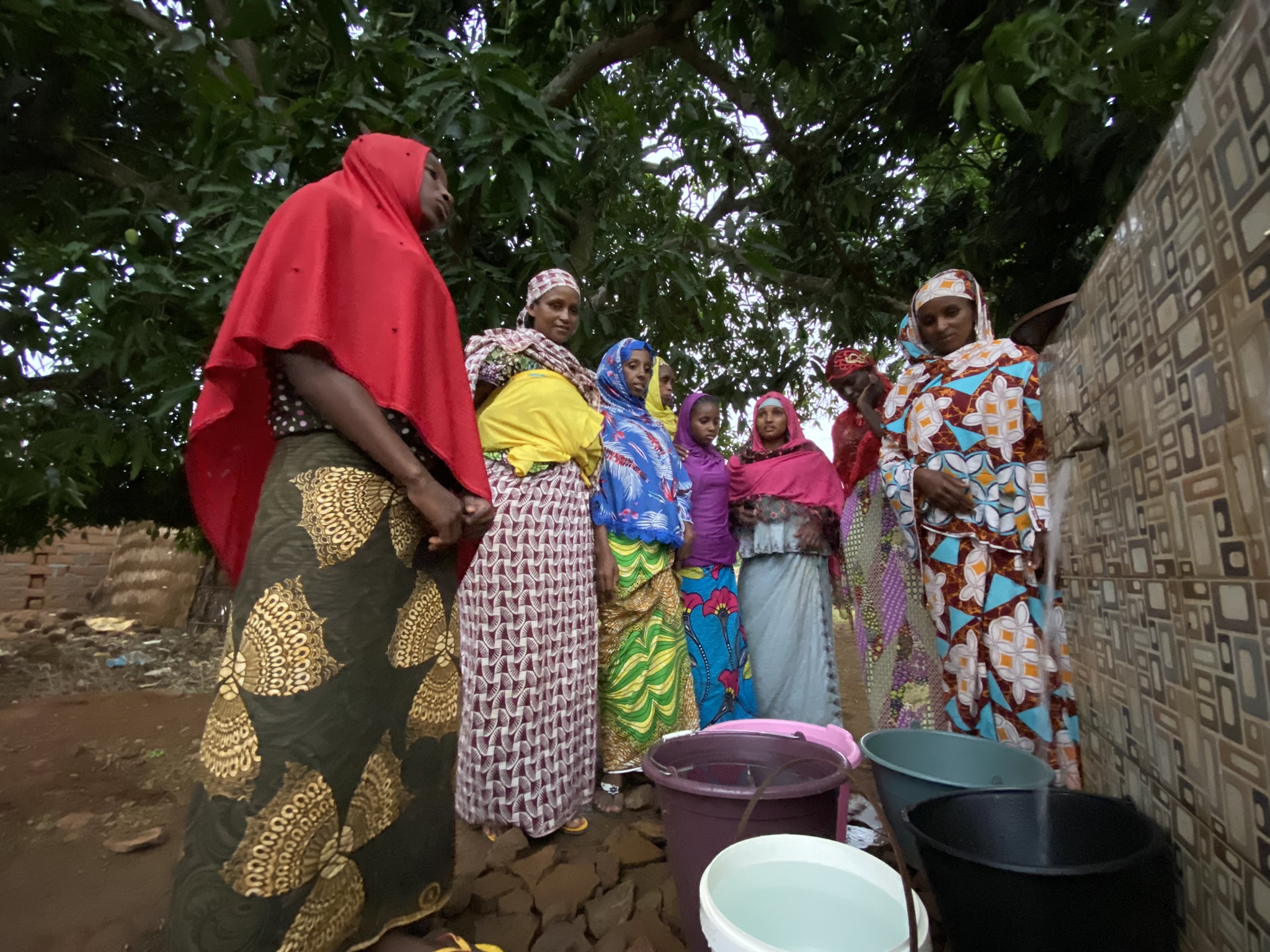
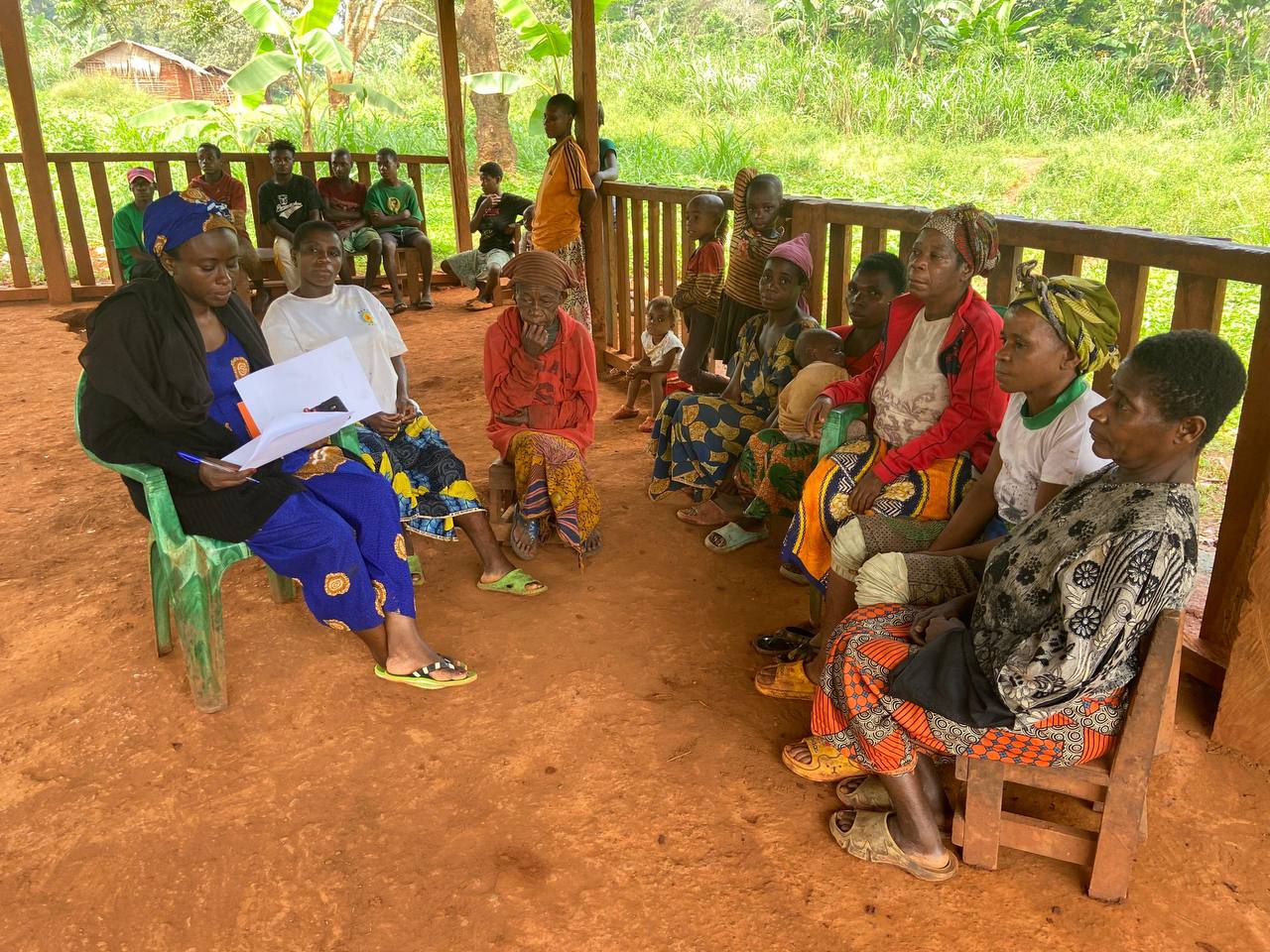
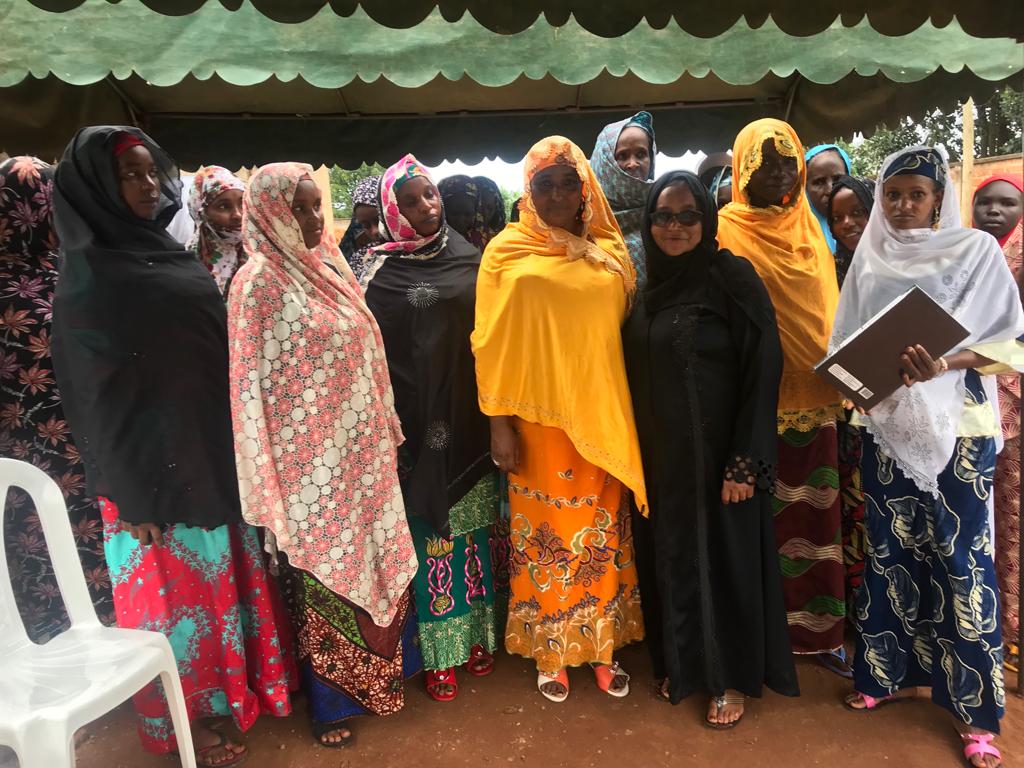
Aligned with GEF-7 objectives, AIWO-CAN focused on improving community knowledge of their rights, the ecological and socio-economic value of protected areas, and relevant environmental and social regulations. In 2023, the organization conducted preparatory visits and consultations in ten communities, reaching 161 participants (87 men, 74 women). These interactions revealed key local challenges, including human-wildlife conflicts, limited access to forest resources, and perceptions of inequity in conservation policies. To address these, AIWO-CAN developed 1,000 posters and 2,000 leaflets with messages on “Mitigating Human-Wildlife Conflicts” and “Benefits of Protected Area Conservation,” and installed permanent signage to sustain visibility and awareness.
In 2024, the engagement extended to four additional communities—Mbanga Yessok, Efoulan 2, Djabilobé, and Akom 2—targeting 97 participants (64 men, 33 women). Drawing lessons from the first year, communication materials emphasized community participation in protected area management and the value of biodiversity conservation. Two consultation sessions resulted in formal community consent and commitment to ongoing activities. Approximately 600 leaflets and 200 posters were disseminated, complemented by participatory workshops that facilitated dialogue, addressed intercommunal tensions, and discussed strategies to mitigate human-wildlife conflicts.
Across both years, AIWO-CAN reached 14 communities and 258 participants, producing 4,000 leaflets and 2,000 posters. Beyond numbers, these activities strengthened local capacity for sustainable resource management, reinforced community rights, and fostered inclusive participation in conservation. By embedding local knowledge and concerns into awareness campaigns, AIWO-CAN’s approach addresses both national biodiversity goals and the international agenda for ecosystem integrity and climate resilience, demonstrating how community-centered conservation is critical for achieving the dual objectives of environmental protection and sustainable development.
AIWO-CAN’s work illustrates that information, dialogue, and empowerment are as crucial as legal frameworks and technical interventions in conservation. By equipping communities to engage meaningfully with protected areas, the program promotes long-term stewardship of forests, contributes to reducing biodiversity loss, and supports equitable economic opportunities, aligning local actions with Cameroon’s commitments under global environmental conventions.