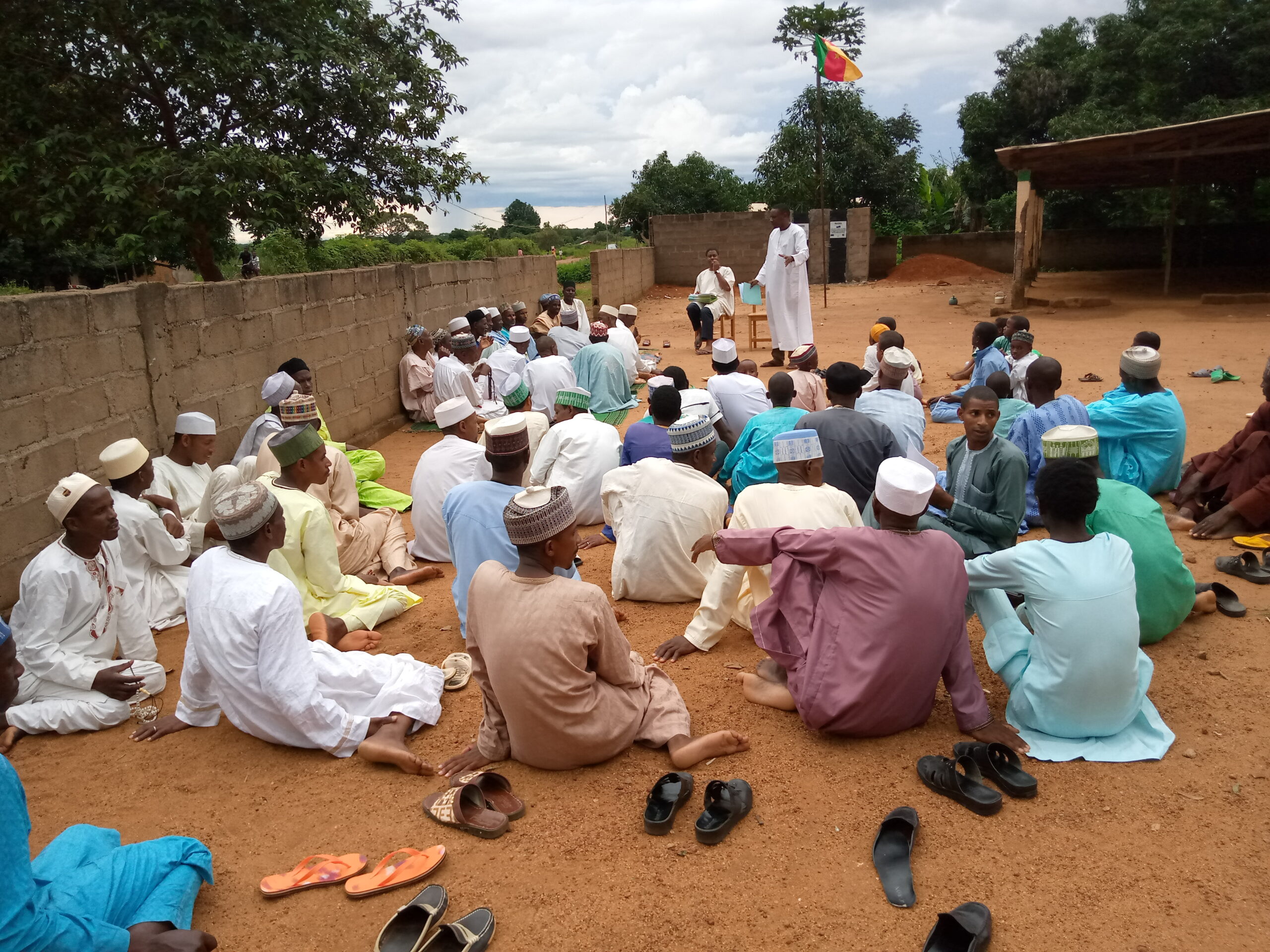
Gender and Climate Change Community-Based Adaptation through the creation of a High Carbon Value Community Forest (HCVF) in Didango, Tibati
Donor: PAWANKA Fund
Year of implementation: 2020-2021
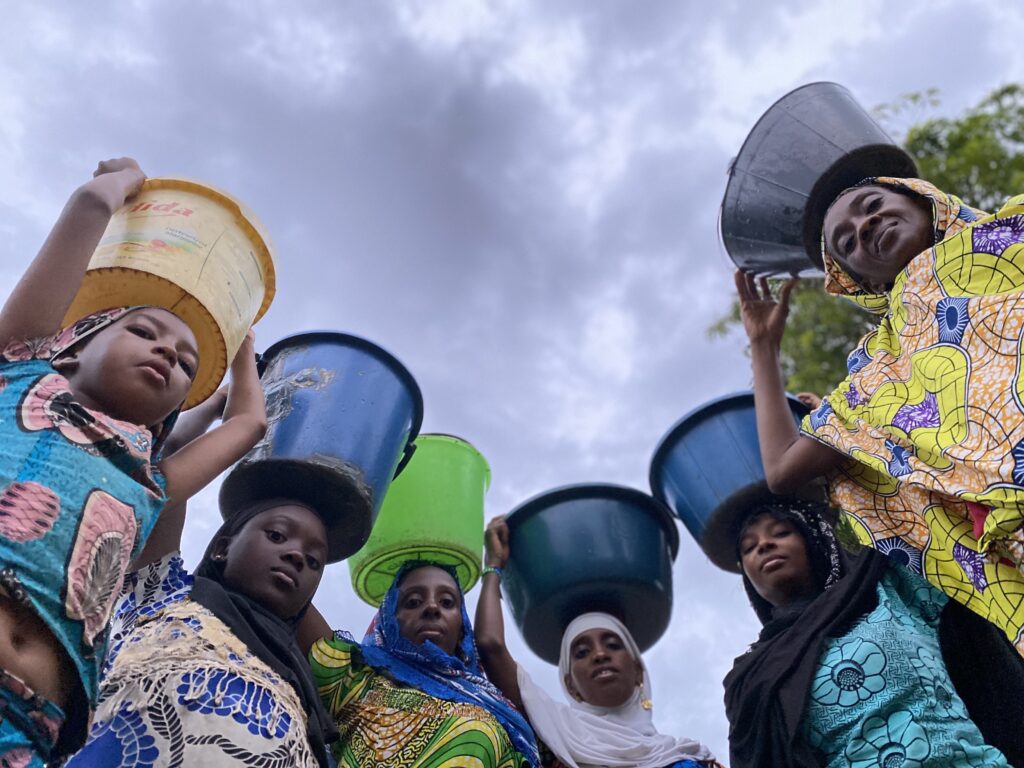
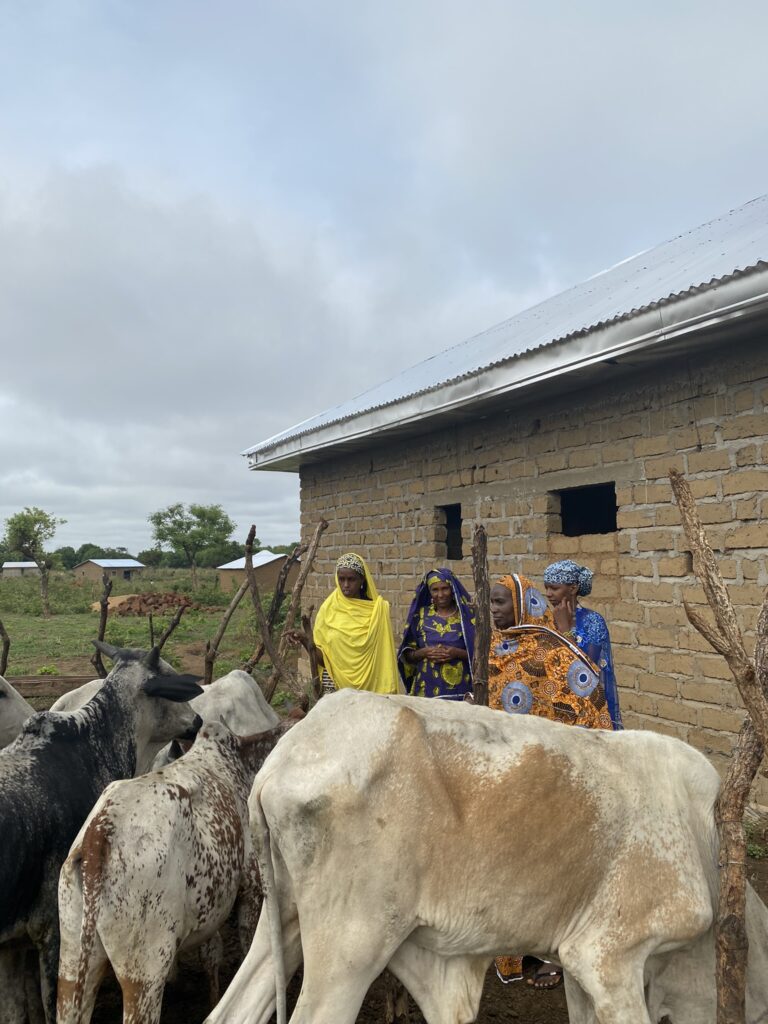
Target Community: Mbororo pastoralist community
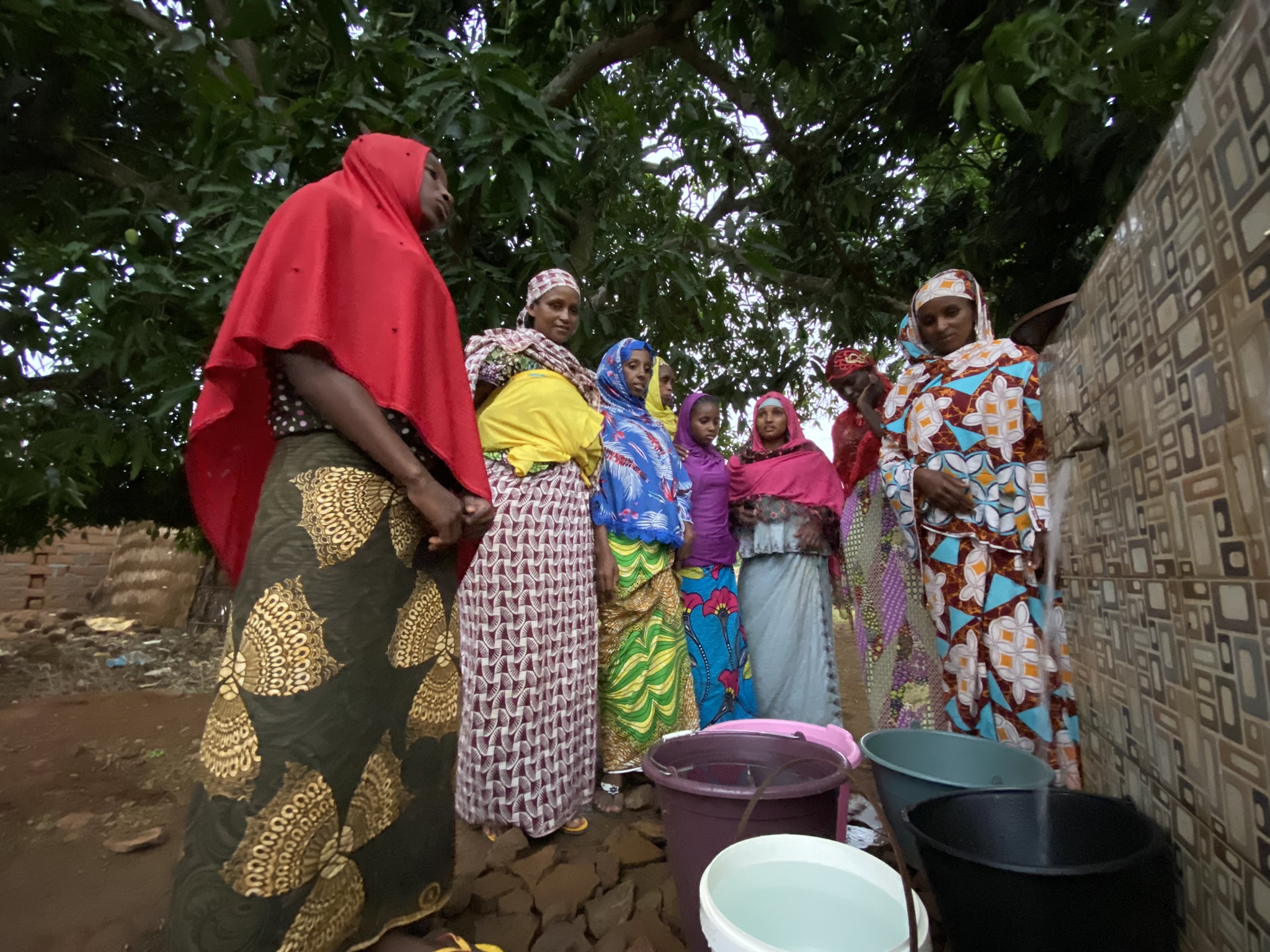
Implemented by AIWO-CAN with the support of the PAWANKA Fund, this project was carried out in Didango, Tibati (Adamawa Region, Cameroon) to strengthen the climate resilience of the Mbororo pastoralist community through Indigenous knowledge, gender-responsive approaches, and community-based forest management.
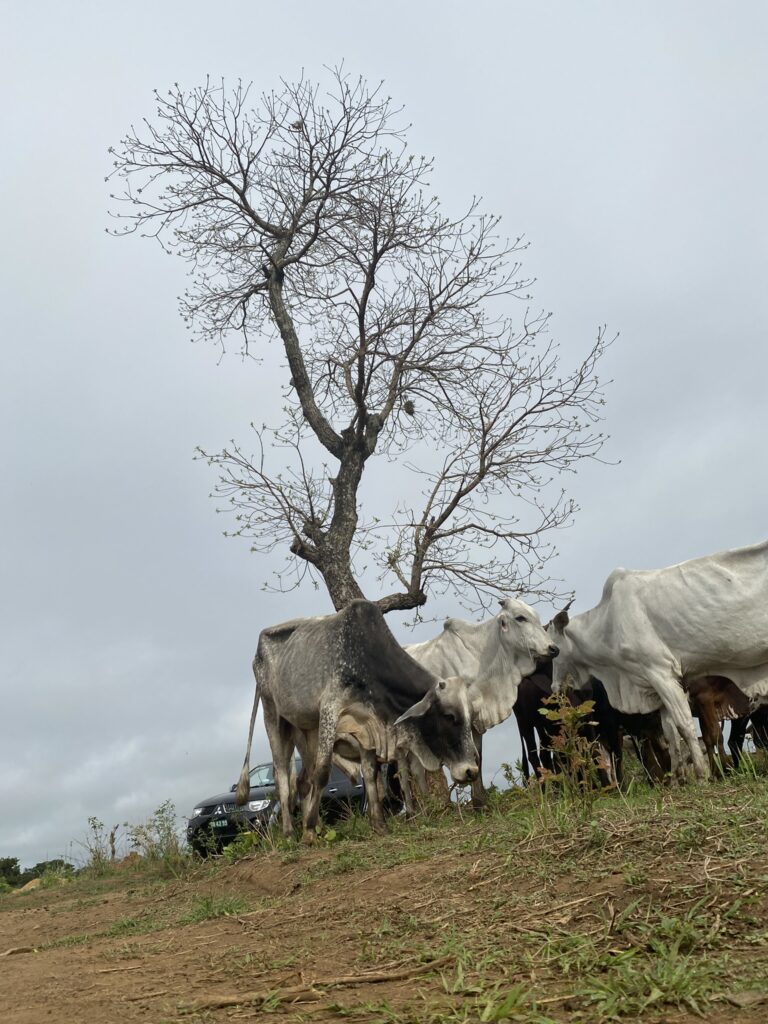
Pastoralist lands in the area are increasingly threatened by competition from dominant farming groups and wealthy elites seeking land for ranching. This pressure has led to deforestation, soil erosion, and land degradation, further intensified by climate change. At the same time, Indigenous traditional knowledge and cultural values related to land and forest management are rapidly eroding, particularly among youth. Women and girls remain disproportionately affected due to high gender inequalities, limited access to land and resources, weak participation in decision-making, and low financial autonomy. These challenges are compounded by complex and costly land tenure procedures.
The project aimed to revive and valorize Indigenous traditional knowledge by identifying plant species of medicinal, nutritional, and economic value and using them to establish a High Carbon Value Community Forest (HCVF) as a locally led climate adaptation and mitigation strategy.
Key objectives included
Strengthening community resilience to climate change; Reducing gender inequalities through women’s capacity development and leadership; Promoting sustainable land and forest management; Improving land security through the establishment of a community forest.
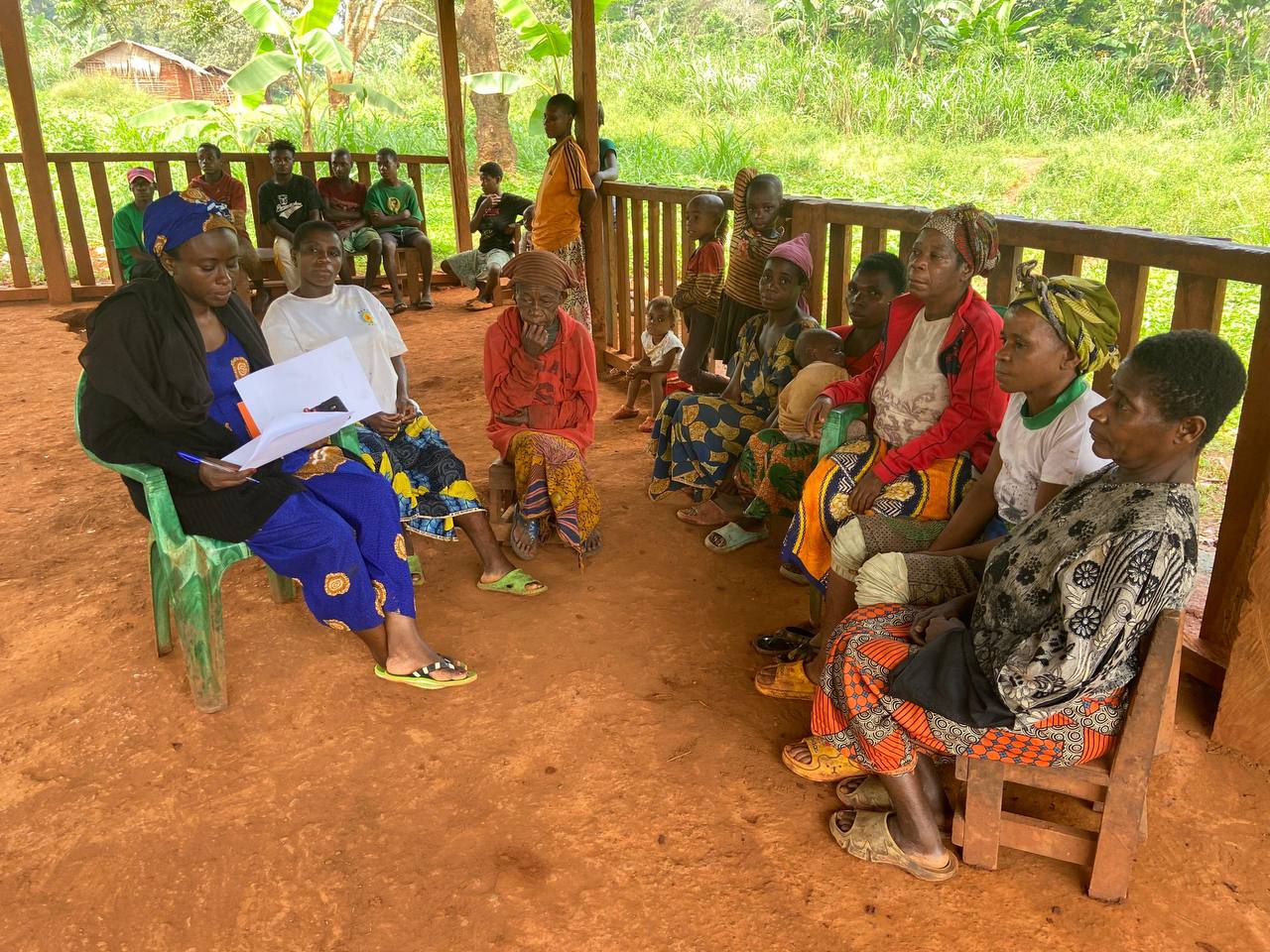
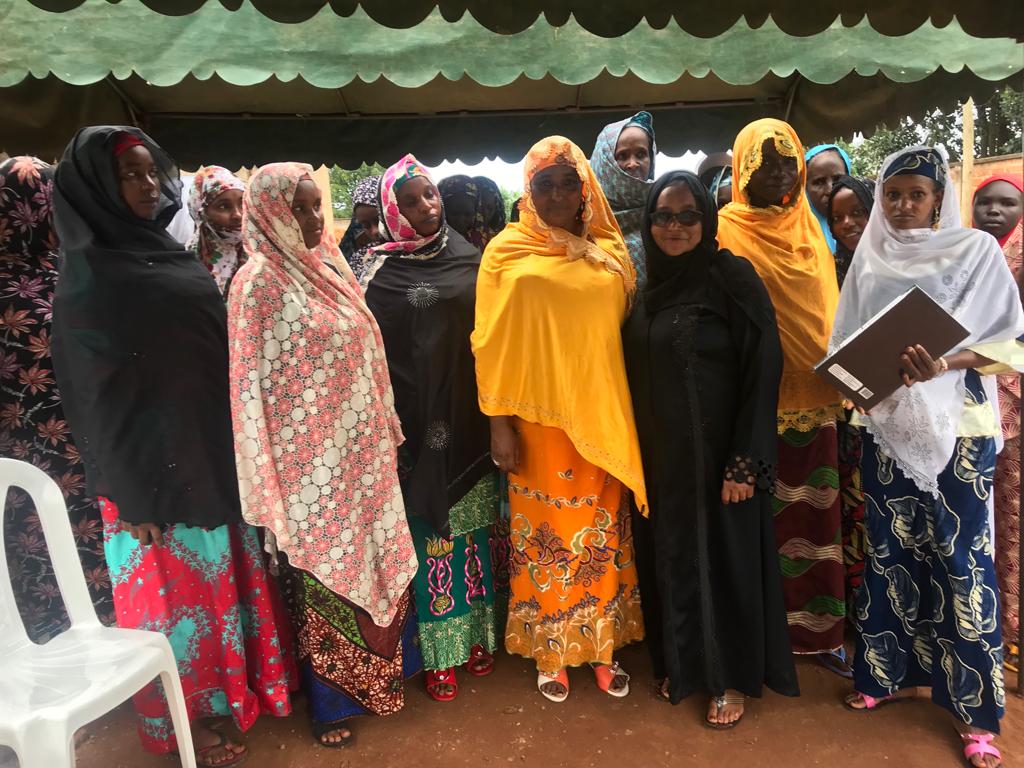
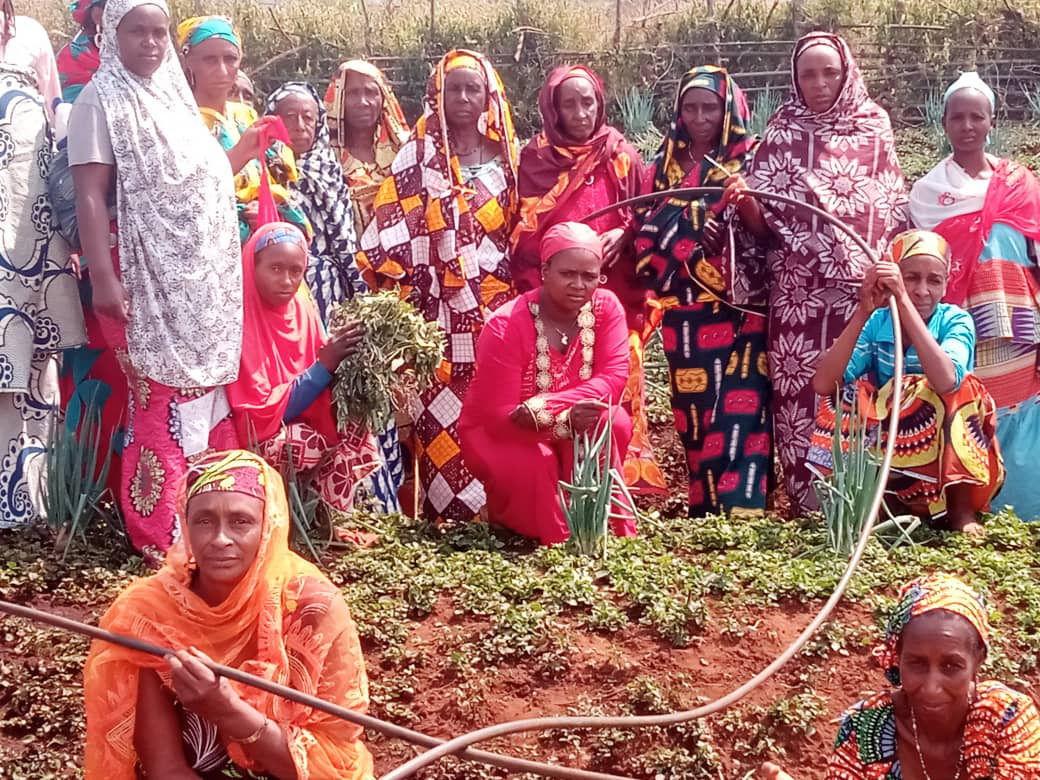
To achieve these objectives, the project conducted a study to identify high-value plant and tree species and to document their cultural significance and traditional uses within Mbororo society. Building on this knowledge, the project provided targeted training to women of the community on tree planting, nursery management, and forest care techniques. These capacity-building activities were complemented by land preparation and participatory planting of selected species, leading to the physical establishment of the High Carbon Value Community Forest. In parallel, the project supported community sensitization on climate change, ecosystem-based adaptation, and the environmental and socio-economic benefits of the future community forest. A community forest management committee, primarily composed of women and girls, was established and trained in sustainable forest governance, monitoring, and maintenance.
Results achieved include:
- Documented Indigenous knowledge on selected plant and tree species and their cultural, medicinal, and economic uses
- Increased community awareness of climate change and nature-based adaptation solutions
- Enhanced technical capacities of women in sustainable land and forest management
- Establishment of a High Carbon Value Community Forest
- Creation of a trained, women-led forest management committee
This project contributed to the revitalization of Indigenous traditional knowledge, reduced deforestation pressures, improved soil quality, and strengthened climate resilience. It also empowered women and girls by enhancing their skills, leadership, and role in natural resource governance, while contributing to improved land security and inclusive, community-based forest management.