Economic empowerment of girls/women and advocacy for the enrolment of more girls in schools as precursors to end gender-based violence in indigenous communities
Donor: United Nations Trust Fund to End Violence against Women (UNTF)
Year of Grant Award: 2020
Duration: 3 years
Implementing and Co-implementing Partners: UN Women, AIWO-CAN, Transparency International Cameroon, and local Indigenous organizations including CADDAP, AJEMBO, and MBOSCUDA.
Target Communities: Ndjibot, Missoumé, and Ndokayo (East Region); Djouzami and Didango (Adamawa Region), Cameroon.
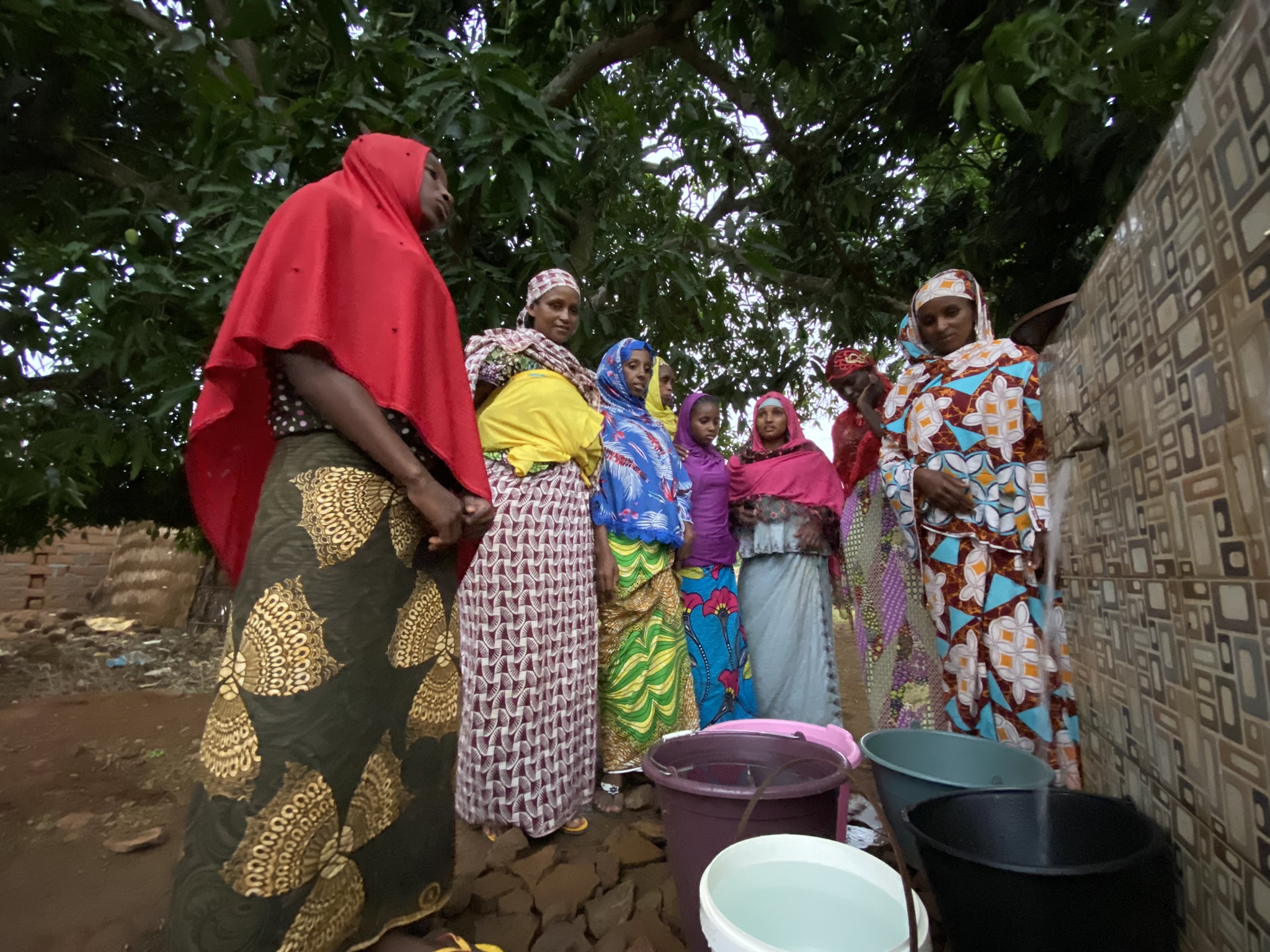
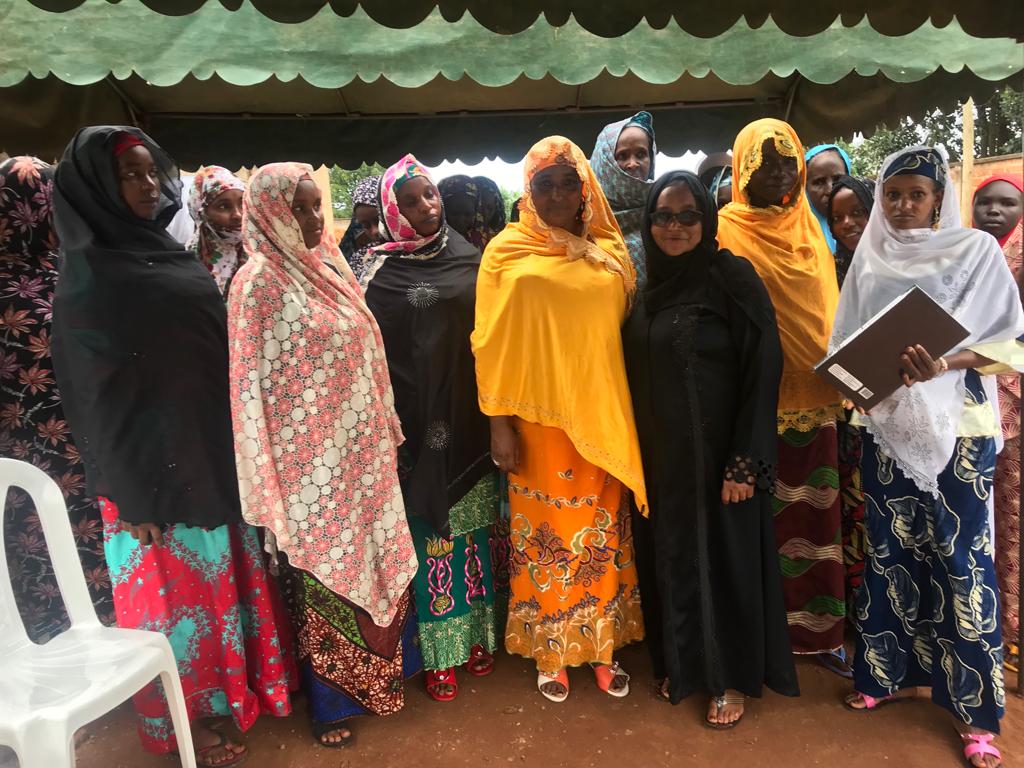
This project aimed to address the structural drivers of gender-based violence (GBV) in Indigenous communities by promoting women’s economic empowerment and advocating for girls’ education as key prevention strategies. It targeted Indigenous women and girls in five communities across the East and Adamawa Regions, where poverty, harmful social norms, low school enrollment of girls, and limited access to economic opportunities increase vulnerability to violence and exclusion.
The main goal of this project was to empower Indigenous women and girls with the knowledge and skills to achieve economic self-reliance, denounce violations of their rights, and promote the right to education for the girl child as a foundation for preventing GBV.
Key Results and Outputs
- 1,806 direct beneficiaries and over 2,500 indirect beneficiaries reached through sensitization activities
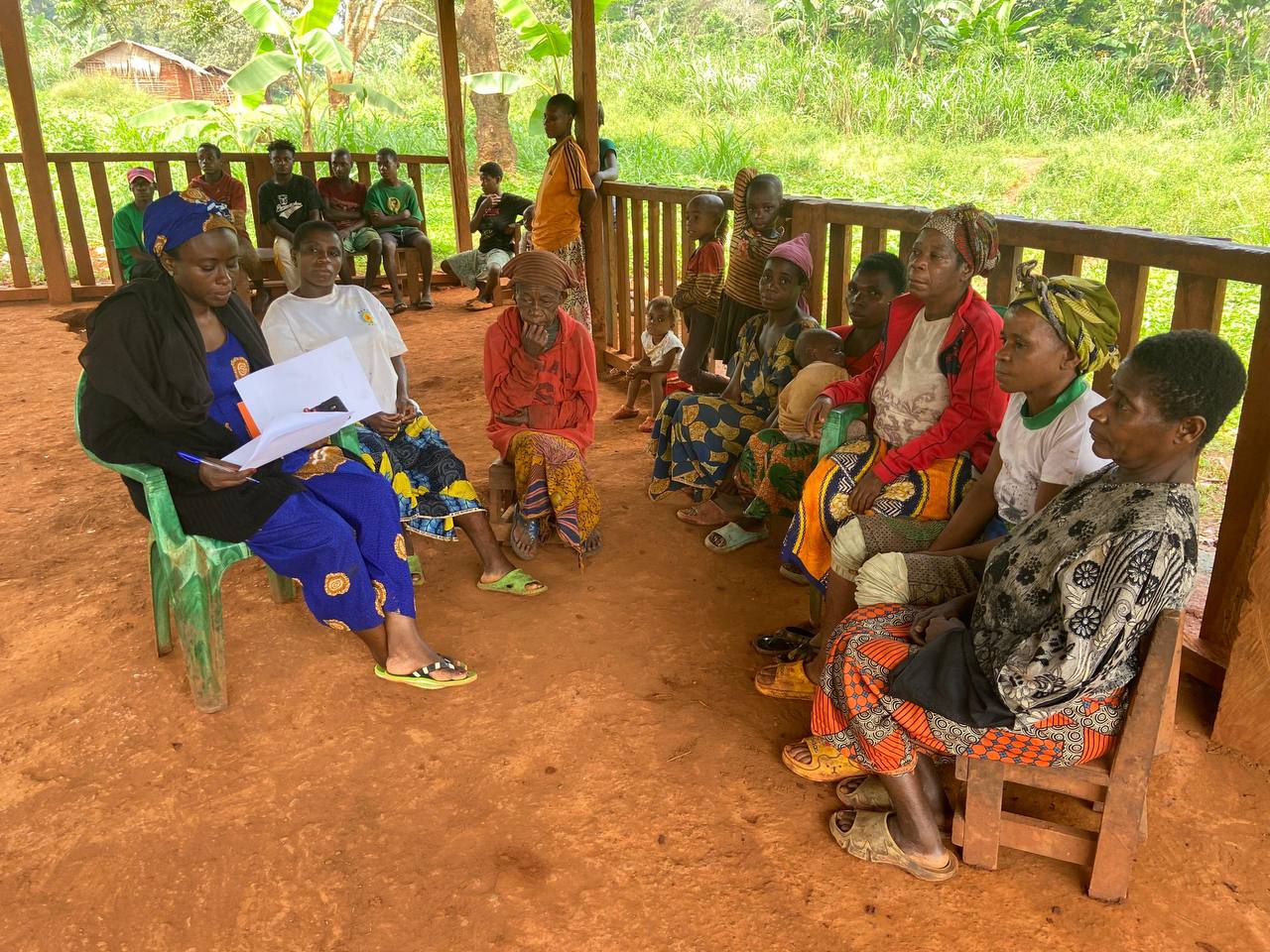
- 304 women and girls educated on their rights, responsibilities, and reporting mechanisms for rights violations
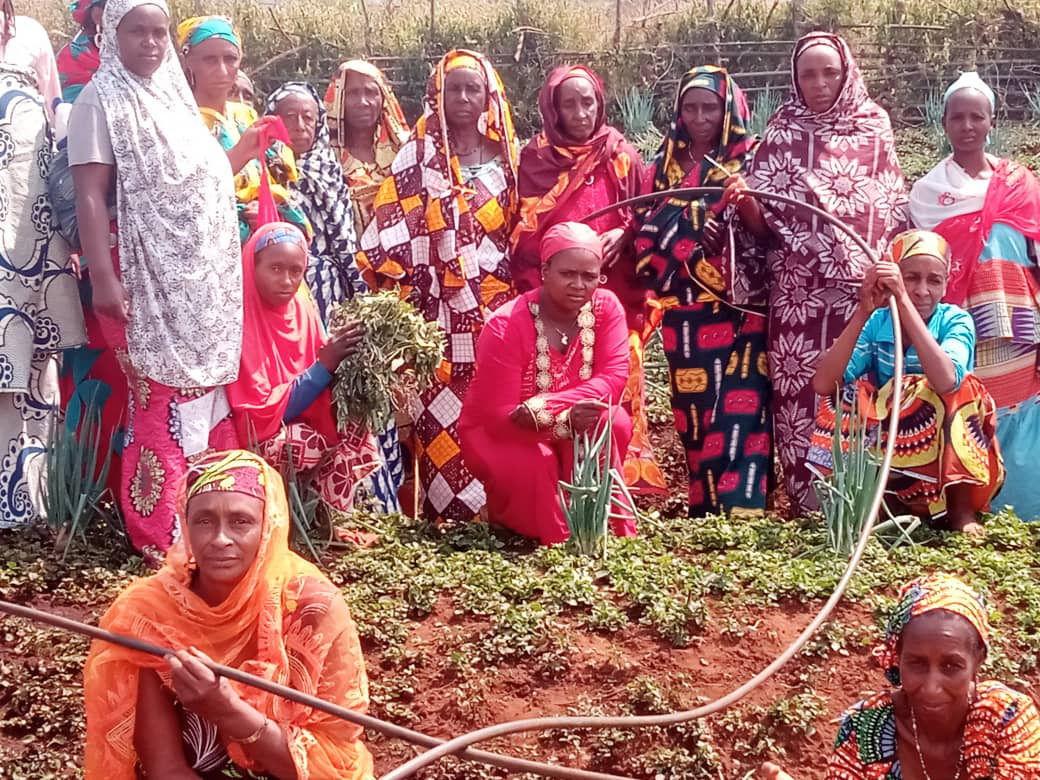
- 75 Baka women trained and supported annually in agricultural production
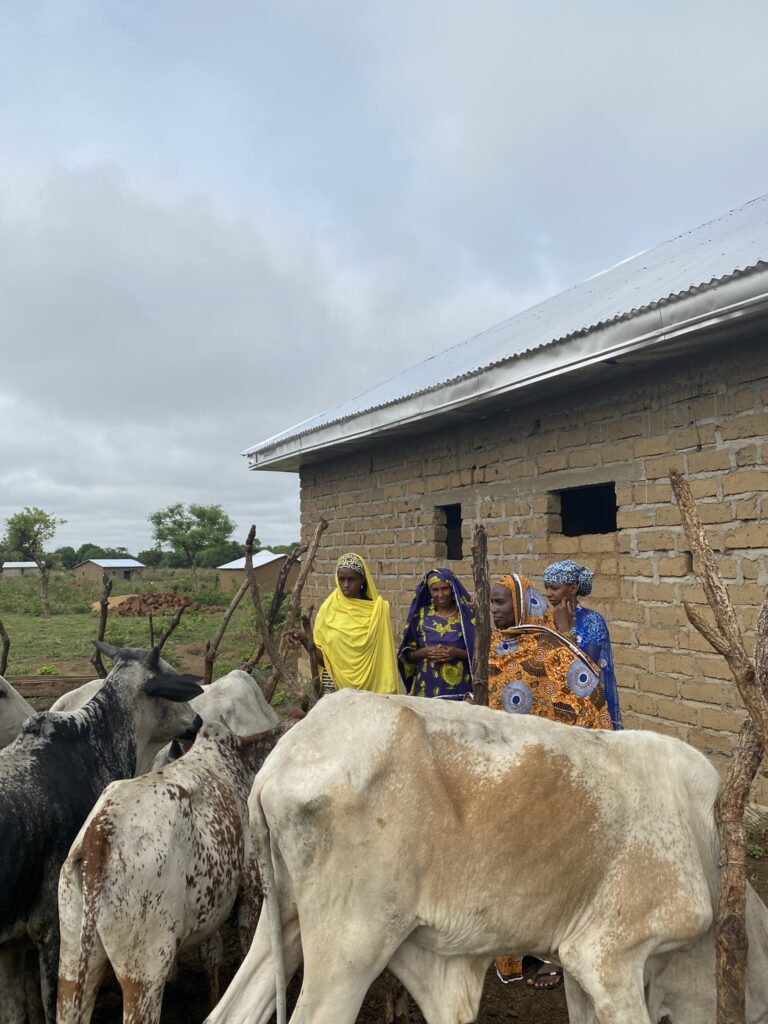
- 100 Mbororo women trained and supported in small-scale businesses
- 438 beneficiaries trained in vocational skills (farming and tailoring)
- 175 women and girls owning and operating income-generating activities
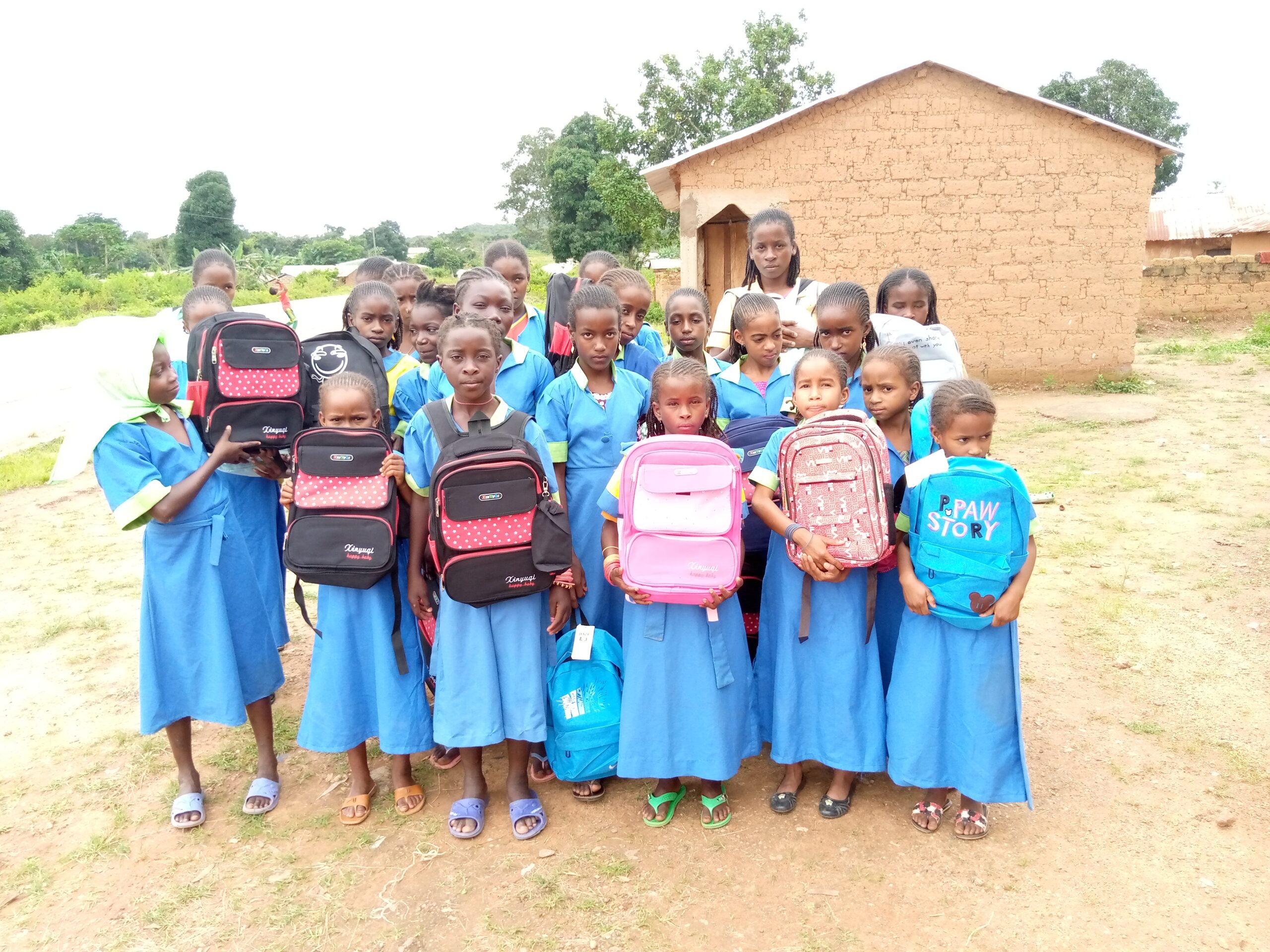
- 93 girls enrolled in school across the project communities
- 20 women appointed as representatives in community decision-making bodies
Outcomes and Changes Achieved
- The project led to tangible and transformative outcomes, including:
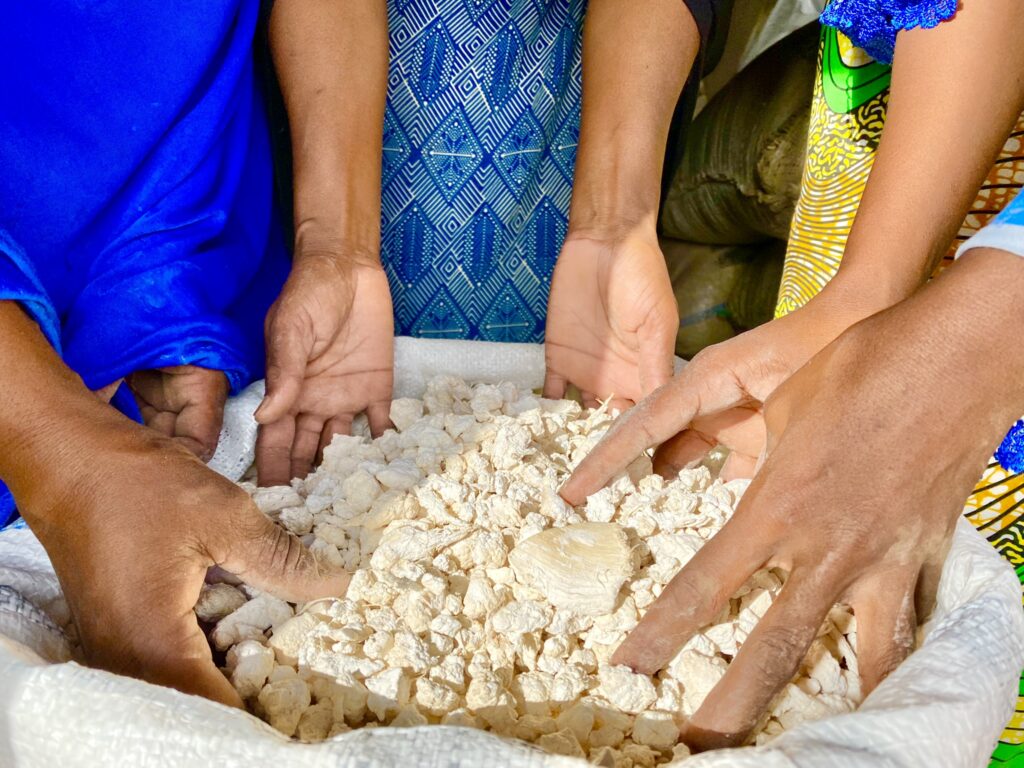
- Food self-sufficiency among Baka women’s households, with women now producing and conserving their own seeds
- Increased parental awareness of the importance of girls’ education, resulting in higher school enrollment and retention
- Resolution of numerous community disputes through dialogue platforms
- Improved academic performance, with several girls advancing to higher levels of education and appearing on honor rolls
- Strengthened institutional capacity of AIWO-CAN and partners to respond to GBV and crisis situations, including COVID-19
Impact on Beneficiaries’ Lives
- Gender norms shifted, with men and boys increasingly recognizing women and girls as equal partners
- Women’s economic empowerment expanded through agriculture, petty trade, and tailoring
- Emergence of a grassroots feminist movement, with women organizing savings groups, mutual support systems, and collective advocacy
- Improved household resilience and reduced reliance on negative coping strategies
- Enhanced community resilience to the COVID-19 pandemic, particularly among the most vulnerable women and girls
Voices from the Communities
“Many parents are now sending their girl children to school in order not to be left behind. Even those who were based in grazing fields have relocated to the community in order for their children, including girls, to have an education…” Jeinabou Adamu (Didango).
“Women could not go out of their homes freely, talk less of speaking before men. Today, thanks to this project, women in this community are free to go out and do business or constitute themselves into small groups of common interest to help each other in times of need, participate in community activities and even sit together with the men to deliberate and take decisions on issues community…”, Saidou (Didango).
“There was a day that my child fell ill and I had no dime to take her to the hospital. It was thanks to the money that my wife made out of her petite business that we were able to take her to the hospital for treatment. I later on reimbursed the money with an additional amount so that her business can expand given the importance it has on the wellbeing of my family…”, Aladji Ibrahim (Djouzami).
“We are now capable to produce enough to feed our families and also sell some to buy household utensils. Since we received these inputs, we do not have any seed issues again because we are always keeping seeds for the next season…”, Akade Elisabeth (Djibot).